A Historical and Cultural Exploration BY:
VIRTUAL MULAN MUSEUM
TABLE OF CONTENT
Multicultural Influences in Clothing
Themes of Cultural Identity and Duty
Modern Adaptations and Multiculturalism
-
Introduction to Mulan’s Story 3 -
Multicultural Influences in Clothing -
Weapons and Warfare -
Themes of Cultural Identity and Duty -
Art and Symbolism -
Modern Adaptations and Multiculturalism -
Conclusion -
References
Introduction to Mulan’s Story
The legend of Mulan is a story that has resonated for centuries, originating in China and transcending borders to become an iconic tale of bravery, duty, and honor (Chang, 2003). The story traces back to the Ballad of Mulan, an ancient Chinese poetry thought to have been invented during the Northern Wei Dynasty (386–534 AD). This poem introduces Mulan as a young woman who, to protect her elderly father from conscription, disguises herself as a man and joins the army in his place. Over years of warfare, she proves herself to be a formidable warrior, ultimately achieving great honor without revealing her true identity.
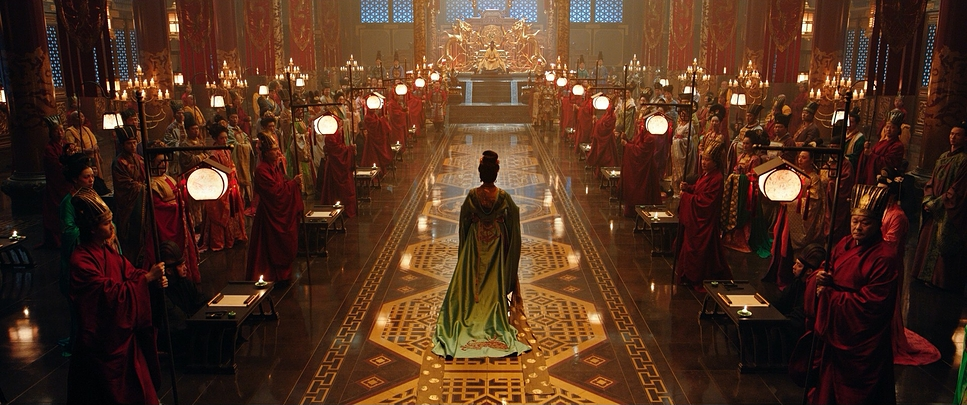
Mulan’s tale is unique in Chinese culture and is celebrated as a symbol of filial piety, courage, and loyalty. As the story has been retold across generations, it has been adapted in various forms—plays, poems, operas, and films—each version adding layers to her character and often reflecting the values and concerns of the time. In recent decades, Mulan’s story gained international fame through adaptations like Disney’s animated and live-action films, which introduced her tale to audiences worldwide.
While Mulan’s core story remains rooted in Chinese heritage, her character has come to embody universal themes that resonate across cultures (Dong L. , 2011). In each version, Mulan’s journey challenges gender roles and traditional expectations, allowing her story to be embraced by people of different backgrounds. Today, Mulan is seen not only as a Chinese heroine but also as a global symbol of resilience and the power of individual choice. Her story invites diverse interpretations, as various cultures recognize aspects of themselves within her narrative, illustrating how a single story can bridge cultural divides.
Multicultural Influences in Clothing
Mulan’s story vividly showcases multicultural influences through her evolving depictions in traditional Chinese clothing and armor. Across centuries, her portrayal has reflected the diverse aesthetics of China’s historical periods and the impact of neighboring cultures. (Wang, Artistic Depictions of Mulan in Traditional and Contemporary Chinese Art, Journal of Asian Art Studies, 2015)
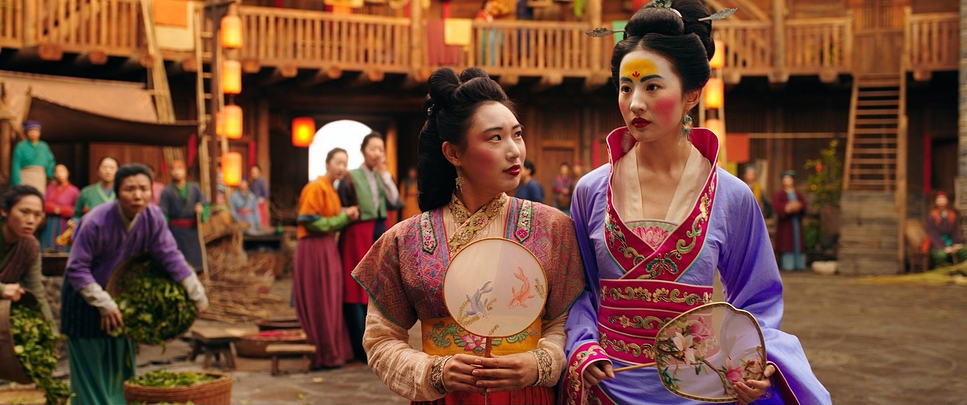
As Mulan’s tale was retold during other dynasties, her clothing adapted to reflect each era’s unique cultural symbols and fashions. In the cosmopolitan Tang Dynasty, influenced by the Silk Road, Mulan’s attire might include elaborate robes, vibrant colors, silk, and intricate embroidery, highlighting local traditions and external influences from Central Asia and beyond (Chan, 2016).
Mulan’s changing attire illustrates her story’s ability to bridge historical, regional, and cultural divides, embodying a universal journey that resonates across time and cultures. Through these artistic shifts, her character reflects China’s rich history and adaptability, which keeps her tale relevant today.
Weapons and Warfare
Weapons are central to Mulan’s story, symbolizing her courage and ability to assume a traditionally male role in defending her family and country. The weaponry in her tale reflects Chinese martial heritage and multicultural influences shaped by China’s historical interactions with neighboring cultures (Xu, Filial Piety and Feminism in the Legend of Hua Mulan, 2021).
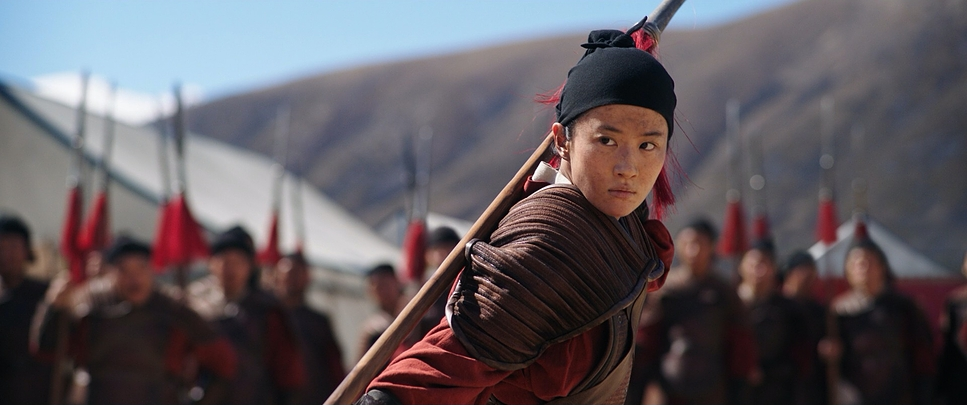
In traditional narratives, Mulan often wields a jian, a double-edged straight sword known as the “Gentleman of Weapons” because of its exquisite design and connection to learned men and warriors. This sword, deeply rooted in Chinese martial arts, evolved through exchanges along the Silk Road, where Chinese blacksmiths gained techniques from Central Asian artisans. The Jian thus exemplifies the sophistication of Chinese craftsmanship and the enrichment of Chinese weaponry through cultural exchange (Lee, From Ballad to Blockbuster, 2019).
In some portrayals, Mulan uses a dao, a single-edged, curved sword that became popular during the Tang and Song Dynasties. This weapon reflects influences from nomadic tribes and the Mongol Empire, who favored versatile, curved blades for mounted warfare. Other historical depictions of Mulan feature spears and bows, vital for the cavalry conflict in Northern China during the Northern Wei Dynasty, an era tied to her story’s origins.
Themes of Cultural Identity and Duty
The story of Mulan explores universal themes of honor, family, and duty, which are central to her character and resonate deeply across various cultures. At the heart of her journey is a strong sense of filial piety—a key value in Chinese culture that emphasizes respect and loyalty to one’s family. Mulan’s decision to go to war in her father’s place demonstrates her devotion to her family, even at great personal risk. This sacrifice defines her as a dutiful daughter and a hero willing to put others’ needs above hers.
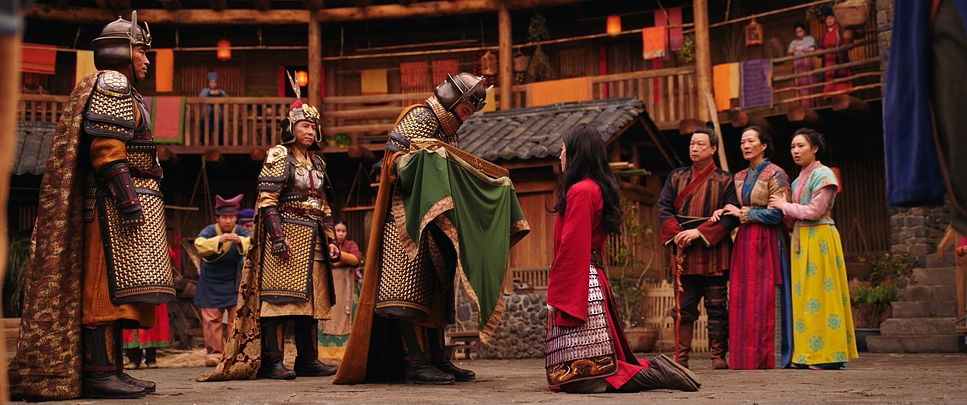
This theme of familial duty transcends cultural boundaries, resonating with audiences worldwide. In many Eastern societies, including Japan and Korea, filial piety is similarly revered, and children are often expected to honor their parents and ancestors, even if it means making personal sacrifices. This cultural emphasis on family loyalty and respect for elders is a shared value that amplifies Mulan’s appeal across East Asia, where her actions are seen as a noble expression of these core beliefs.
Furthermore, Mulan’s journey challenges traditional gender roles, adding another layer of cultural identity to her story. Her decision to assume a male identity to fulfill her duty defies the societal expectations of her time, demonstrating the complex interplay between personal and social identity.
Ultimately, Mulan’s story highlights universal values like honor, family, and duty, connecting people across diverse backgrounds. Her journey reflects not only the strength of her character but also the enduring relevance of these themes, making her a timeless figure whose story transcends geographical and cultural boundaries (Dong, Mulan’s Legend and Legacy in China and the United States, 2011).
Art and Symbolism
Mulan’s story has been represented in various art forms, from ancient murals and sculptures to modern illustrations and film. Each artistic depiction of Mulan honors her story and interprets her character through the lens of different cultural aesthetics (Wang, Artistic Depictions of Mulan in Traditional and Contemporary Chinese Art, 2015). These representations highlight the multicultural essence of Mulan’s tale, as artists from different regions and eras bring their unique perspectives to her story.
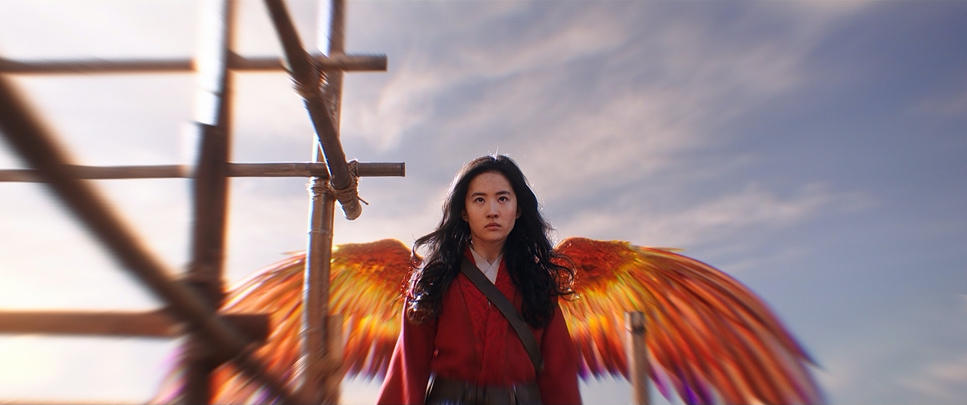
In traditional Chinese art, Mulan is often depicted in a style that emphasizes her bravery and resilience. Ancient murals and scroll paintings show her dressed in warrior attire, wielding a sword or bow, with a determined expression that reflects her inner strength. These works typically employ the soft, flowing brushstrokes of Chinese ink painting, creating a sense of harmony and balance characteristic of Chinese art. Through this medium, artists capture Mulan’s physical strength and graceful and noble spirit, embodying traditional Chinese ideals of heroism.
Mulan’s story has also been represented in sculpture and public art across Asia, where she is celebrated as a cultural icon. Statues of Mulan in warrior pose can be found in China, often in temples or public squares, serving as symbols of national pride and cultural heritage. These sculptures are crafted in various artistic styles, from realistic to stylized forms, reflecting the diversity of regional artistic traditions within China. By immortalizing Mulan physically. These pieces emphasize how significant she is in Chinese culture as a representation of bravery and commitment.
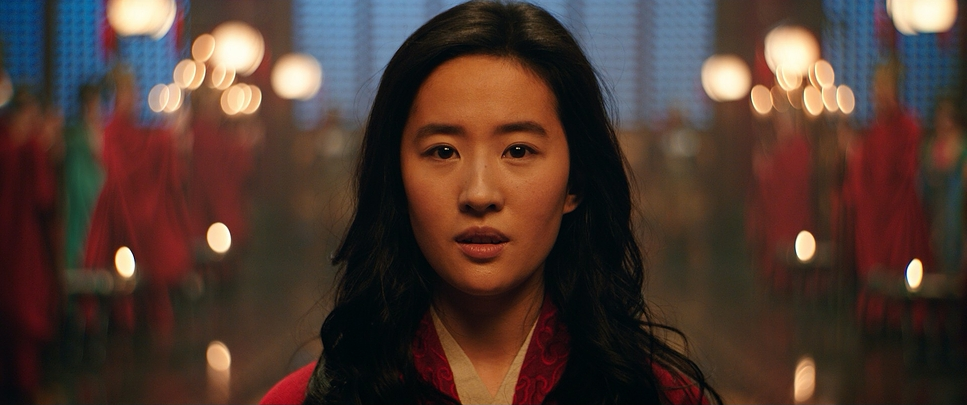
Across all these artistic representations, Mulan’s character remains a powerful symbol of strength, loyalty, and cultural identity. Whether depicted through traditional Chinese brushwork, modern animation, or monumental sculpture, each interpretation of Mulan reflects the artist’s and their community’s cultural values. These artworks honor Mulan’s legacy and demonstrate her story’s adaptability as it inspires artists and audiences from various backgrounds.
Modern Adaptations and Multiculturalism
In recent decades, Mulan’s story has reached new audiences through modern adaptations, most notably by Disney, which has transformed her tale into a globally recognized narrative. Disney’s adaptations, including the 1998 animated film and the 2020 live-action version, reflect a blend of cultural influences that allow Mulan’s story to resonate with both Eastern and Western audiences (Jablonski, 2020). Through these films, Mulan’s character has evolved from a Chinese folk heroine to an international symbol of courage and empowerment, illustrating the impact of globalization on storytelling and cultural exchange.
The 1998 animated film brought Mulan’s story to the global stage, introducing elements of Western storytelling while incorporating Chinese cultural motifs. The film uses humor, songs, and a vibrant visual style, combining Disney’s classic animation techniques with references to Chinese culture, such as depicting traditional clothing, architecture, and the concept of honor.
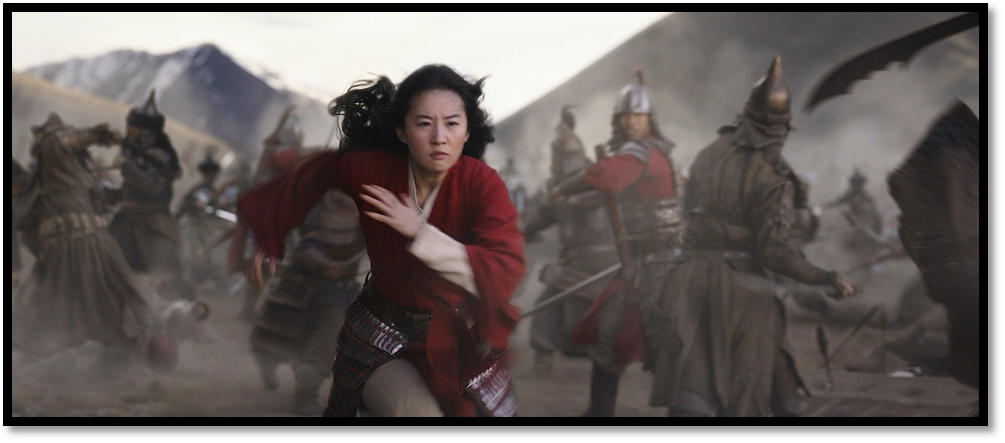
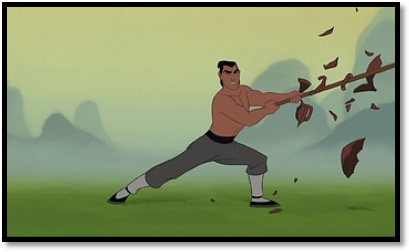
The 2020 live-action adaptation took a more culturally respectful approach, aiming for more historical and cultural authenticity. This version of Mulan’s story emphasizes Chinese martial arts, traditional family values, and the importance of loyalty and honor while minimizing the fantasy elements in the animated film. The filmmakers collaborated with Chinese historians and designers to create costumes, set designs, and fight choreography that reflect China’s rich cultural heritage.
These adaptations demonstrate the blending of Eastern and Western perspectives in modern retellings of Mulan’s story, highlighting the effects of globalization on cultural narratives. Through Disney’s films, Mulan has become a bridge between cultures, embodying universally relatable and uniquely Chinese values. Her character appeals to audiences worldwide by challenging gender norms, celebrating bravery, and upholding familial loyalty—values that resonate across cultures.
Conclusion
The story of Mulan has transcended its origins to become a powerful multicultural icon, embodying values and themes that resonate with audiences worldwide. From her beginnings in ancient Chinese folklore as a devoted daughter and skilled warrior to her portrayal as an international symbol of resilience and bravery, Mulan’s journey speaks to universal principles of honor, loyalty, and self-sacrifice. Each retelling and adaptation of her story—whether through traditional Chinese art, poetry, or modern cinema—has added new dimensions to her character, allowing Mulan to remain relevant through the centuries.
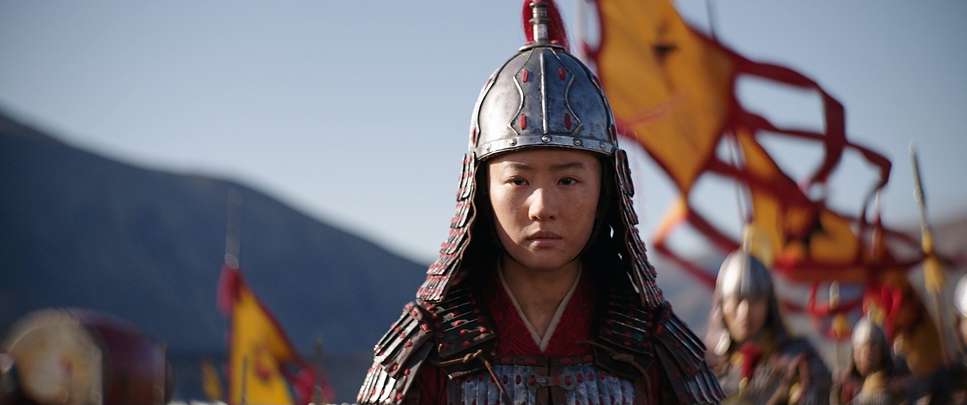
In today’s diverse and interconnected world, Mulan’s tale inspires and unites people from various cultural backgrounds. Her story reflects the strength of cultural exchange, as each adaptation incorporates elements that make her character more accessible and relatable to global audiences. Mulan’s willingness to defy societal expectations and her devotion to protecting her family and homeland are values that transcend geographical and cultural boundaries, making her an enduring symbol of empowerment and individuality.
As we continue to explore stories from different cultures, Mulan reminds us of the importance of embracing diversity in storytelling. Her tale encourages us to appreciate the richness of cultural heritage while recognizing the shared human values that connect us all.
References
-
Chan, L. &. (2016). The Ballad of Mulan. A Historical and Cultural Analysis, Asian Literature Quarterly, 21-35. -
Chang, H. C. (2003). Chinese Women in a Patriarchal Society. A Case Study of Hua Mulan. Chinese Journal of Communication, 85-102. -
Dong, L. (2011). Mulan’s Legend and Legacy in China and the United States. Temple University Press, 140-152. -
Dong, L. (2011). Mulan’s Legend and Legacy in China and the United States. Temple University Press., 14-27. -
Jablonski. (2020). Cultural Accuracy and Adaptation: Disney’s Live-Action Mulan. Journal of Media and Cultural Studies, 34-49. -
Lee. (2019). From Ballad to Blockbuster. The Evolution of Mulan in Popular Culture, Asian Folklore Studies, 299-317. -
Wang. (2015). Artistic Depictions of Mulan in Traditional and Contemporary Chinese Art. Journal of Asian Art Studies, 50-68. -
Xu. (2021). Filial Piety and Feminism in the Legend of Hua Mulan. The Journal of Chinese Studies, 102-121.
References
Chan, L. &. (2016). The Ballad of Mulan. A Historical and Cultural Analysis, Asian Literature Quarterly, 21-35.
Chang, H. C. (2003). Chinese Women in a Patriarchal Society. A Case Study of Hua Mulan. Chinese Journal of Communication, 85-102.
Dong, L. (2011). Mulan’s Legend and Legacy in China and the United States. Temple University Press, 140-152.
Dong, L. (2011). Mulan’s Legend and Legacy in China and the United States. Temple University Press., 14-27.
Jablonski. (2020). Cultural Accuracy and Adaptation: Disney’s Live-Action Mulan. Journal of Media and Cultural Studies, 34-49.
Lee. (2019). From Ballad to Blockbuster. The Evolution of Mulan in Popular Culture, Asian Folklore Studies, 299-317.
Wang. (2015). Artistic Depictions of Mulan in Traditional and Contemporary Chinese Art. Journal of Asian Art Studies, 50-68.
Xu. (2021). Filial Piety and Feminism in the Legend of Hua Mulan. The Journal of Chinese Studies, 102-121.