Learn More about Chinese fashion
The Dragon Robes and Shifting Power in the Ming and Qing Dynasties
The dragon remains a central motif in Chinese symbology. In fact, the dragon has a long and complex history on traditional garments worn by the rulers and noblemen of past dynasties. A closer look at the Qing dynasty and the Ming dynasty that preceded it reveals that the symbol of the dragon on court robes was evidence of often contentious struggles over whose reign it symbolized and the power it conferred on its wearer.
The iconic dragon robes are a hallmark symbol of the long Qing dynasty lasting from 1644 to 1912, and often associated with imperial status. For example, the Denver Art Museum features an intricate Summer Dragon Robe in its collection, dated to 1736–1795, and explains, “Government officials and members of the imperial court were entitled to wear dragon robes” (Denver Art Museum, 2022; see Figure 1). However, the dragon itself was much more ubiquitous and not specifically reserved for royalty. As Muhammad Sher Ali Khan, a scholar of art and design, explains, the dragon robe was considered a classic semi-formal court costume, to be worn by any attendee of the court during official business and semi-formal court occasions (Khan, 2012, p. 1). Indeed, it was the colors that distinguished the social classes and sorted government ranks against one another. The yellow color of the robe pictured in Figure 1 indicates that it was likely worn by the emperor or a family member, as yellow was reserved for royalty (Denver Art Museum, 2022).The history of the dragon robe becomes even more complicated if we dig further into its history before the Qing dynasty and its shifting use throughout this era. Given that the Qing dynasty emerged out of the Manchus’ conquest of China in 1644 (Van Kley, 1973), this raises the question of whether the dragon and other motifs seen on traditional garb came from inside or outside of China. The answer to this question is not quite as straightforward as one might expect. The Manchu rulers were vocal about preserving a Manchu national tradition, and warned their people that adopting a traditionally Chinese style of clothing would threaten the preservation of symbols that represented their unique way of life (Cammann, 1949). However, the use of dragons in the Manchus’ Qing dynasty was apparently already borrowed from Chinese culture, starting well before their conquest.
Ironically, the dragons that adorned the robes of the ruling classes during the Qing dynasty had previously been part of a concerted effort by Ming rulers to establish a uniquely Chinese garment style. As Schuyler Cammann explains, “At the founding of the Ming Dynasty, toward the end of the fourteenth century, the ultra-conservative and nationalistic Chinese court did everything possible to get away from the foreign influences that had been imported by the Mongol rulers of the previous dynasty, Khublai Khan and his descendants” (Cammann, 1949, p. 190). The results of this cultural efforts included Chinese cuts with long, flowing sleeves that struck a stark contrast against the traditionally tighter-fitting Yüan Mongol robes (Cammann, 1949, pp. 190–191). In addition, these robes prominently featured dragons as one of their most common motifs.
Figure 2 (right-hand side) shows a Ming nobleman wearing a robe with several dragons over his shoulders, arms, and heart. Scholars have done well to note that the placement of the dragons was by no means random or purely ornamental. According to John E. Vollmer in his book on Qing dynasty ruling class clothing, symbols on robes were understood to have the power to ward off evil forces and to accentuate the strength of particular body parts (Vollmer, 2007).So although the Manchus sought to establish and preserve their cultural identity through symbols and the clothes that displayed them, in fact they were continuing a set of traditions well established in the Chinese dynasty that preceded them. This was somewhat fitting for a long-ruling dynasty that saw China’s international power and influence grow considerably over several centuries. Although the dragon would become an enduring national symbol during that time period, the Ming dynasty had long used dragon robes specifically as a tool of diplomacy as well as a tool of conquest.As early as the sixteenth century, the Ming Court expanded the use of the robes from their use as noble garments and as gifts to foreign rulers, and began presenting dragon robes to Mongol chieftains as bribes (Cammann, 1949, pp. 192–193).
What happened next would set the stage for centuries of the symbolic dominance of the dragon on noble garments. Sure enough, other recipients of the Ming Court’s bribes in the sixteenth century were Manchurian leaders who had requested bribes from the court, and were so pleased with the robes that they continued to request more. Soon after, the Courts had second thoughts about sharing their garments with the “Northern barbarians” and issued an edict against the wearing of dragon robes by neighboring nomads (Cammann, 1949, pp. 193–194). The dragon robe had been restored to its status as a symbol of nobility. But in retrospect, the Ming courts had only laid the groundwork for Manchurian leaders to continue making the robes a central symbol of their own power roughly a century later. Once a symbol of power and a gift to foreigners, the dragon was cemented in the sartorial history of China not only as a symbol of the garments themselves changing hands, but a symbol of power changing hands over time.
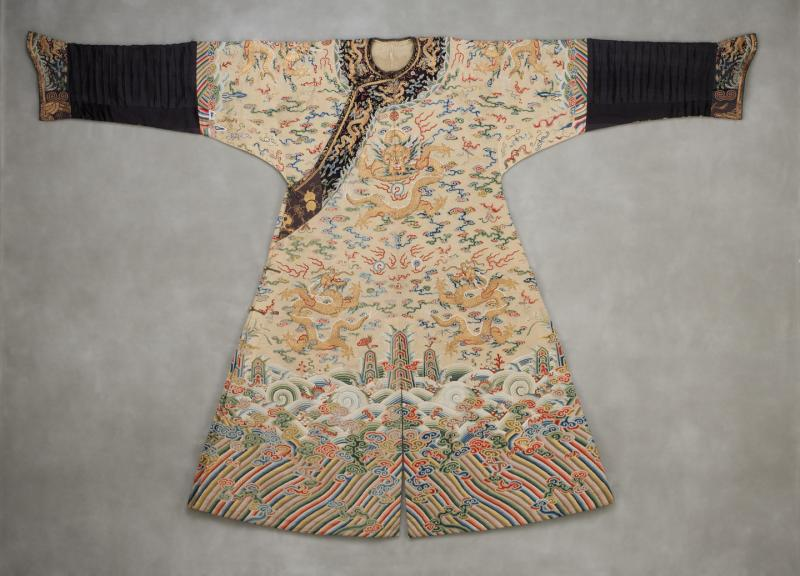
Figure 1: Summer Dragon Robe, 1736–1795 (Denver Art Museum, 2022)
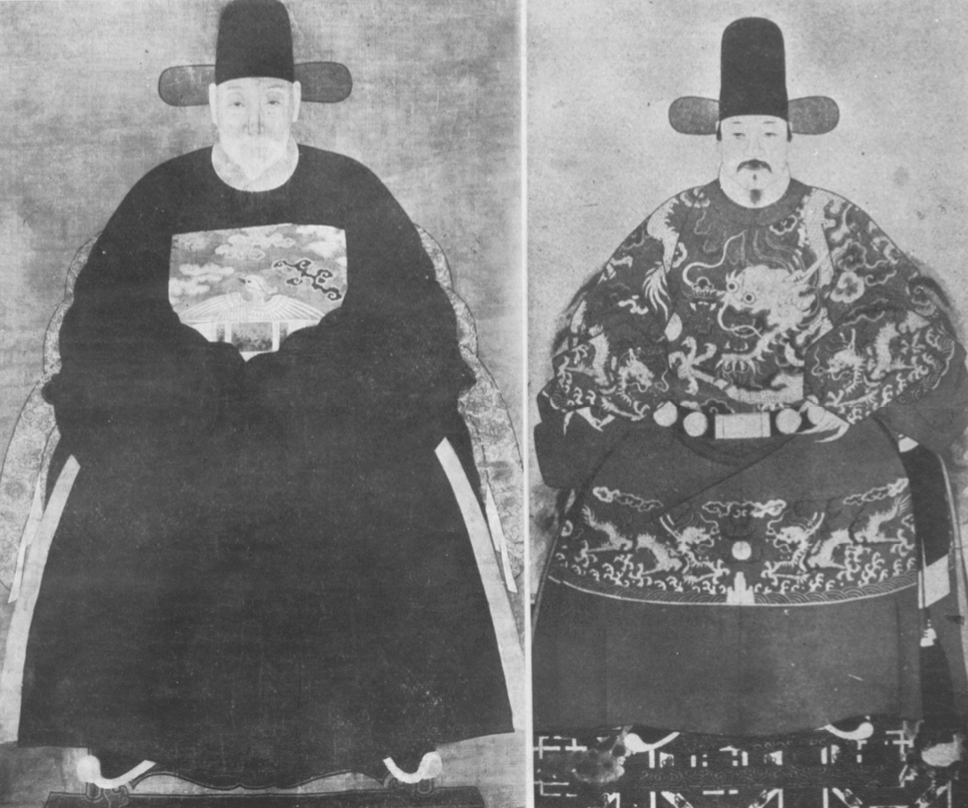
Figure 2: Ming Official in everyday robe (left); Ming Nobleman in dragon robe (left) (Cammann, 1949, p. 190)
Ironically, the dragons that adorned the robes of the ruling classes during the Qing dynasty had previously been part of a concerted effort by Ming rulers to establish a uniquely Chinese garment style. As Schuyler Cammann explains, “At the founding of the Ming Dynasty, toward the end of the fourteenth century, the ultra-conservative and nationalistic Chinese court did everything possible to get away from the foreign influences that had been imported by the Mongol rulers of the previous dynasty, Khublai Khan and his descendants” (Cammann, 1949, p. 190). The results of this cultural efforts included Chinese cuts with long, flowing sleeves that struck a stark contrast against the traditionally tighter-fitting Yüan Mongol robes (Cammann, 1949, pp. 190–191). In addition, these robes prominently featured dragons as one of their most common motifs.
Figure 2 (right-hand side) shows a Ming nobleman wearing a robe with several dragons over his shoulders, arms, and heart. Scholars have done well to note that the placement of the dragons was by no means random or purely ornamental. According to John E. Vollmer in his book on Qing dynasty ruling class clothing, symbols on robes were understood to have the power to ward off evil forces and to accentuate the strength of particular body parts (Vollmer, 2007).
Figure 2: Ming Official in everyday robe (left); Ming Nobleman in dragon robe (left) (Cammann, 1949, p. 190)So although the Manchus sought to establish and preserve their cultural identity through symbols and the clothes that displayed them, in fact they were continuing a set of traditions well established in the Chinese dynasty that preceded them. This was somewhat fitting for a long-ruling dynasty that saw China’s international power and influence grow considerably over several centuries. Although the dragon would become an enduring national symbol during that time period, the Ming dynasty had long used dragon robes specifically as a tool of diplomacy as well as a tool of conquest.As early as the sixteenth century, the Ming Court expanded the use of the robes from their use as noble garments and as gifts to foreign rulers, and began presenting dragon robes to Mongol chieftains as bribes (Cammann, 1949, pp. 192–193).
What happened next would set the stage for centuries of the symbolic dominance of the dragon on noble garments. Sure enough, other recipients of the Ming Court’s bribes in the sixteenth century were Manchurian leaders who had requested bribes from the court, and were so pleased with the robes that they continued to request more. Soon after, the Courts had second thoughts about sharing their garments with the “Northern barbarians” and issued an edict against the wearing of dragon robes by neighboring nomads (Cammann, 1949, pp. 193–194). The dragon robe had been restored to its status as a symbol of nobility. But in retrospect, the Ming courts had only laid the groundwork for Manchurian leaders to continue making the robes a central symbol of their own power roughly a century later. Once a symbol of power and a gift to foreigners, the dragon was cemented in the sartorial history of China not only as a symbol of the garments themselves changing hands, but a symbol of power changing hands over time.
Figure 1: Summer Dragon Robe, 1736–1795 (Denver Art Museum, 2022)The history of the dragon robe becomes even more complicated if we dig further into its history before the Qing dynasty and its shifting use throughout this era. Given that the Qing dynasty emerged out of the Manchus’ conquest of China in 1644 (Van Kley, 1973), this raises the question of whether the dragon and other motifs seen on traditional garb came from inside or outside of China. The answer to this question is not quite as straightforward as one might expect. The Manchu rulers were vocal about preserving a Manchu national tradition, and warned their people that adopting a traditionally Chinese style of clothing would threaten the preservation of symbols that represented their unique way of life (Cammann, 1949). However, the use of dragons in the Manchus’ Qing dynasty was apparently already borrowed from Chinese culture, starting well before their conquest.